
Fall prevention is something we discuss often in the world of Service Coordination. We assess for it annually and provide ongoing education about ways to stay safe. But the question remains: is it ever enough?
In the case of my 79-year-old mother, the answer was no.
While helping my sister pack for a move, she decided to climb a painter’s ladder to clean high kitchen cabinets. One missed step changed everything. She fell—and soon after, she was headed into surgery for a shattered hip.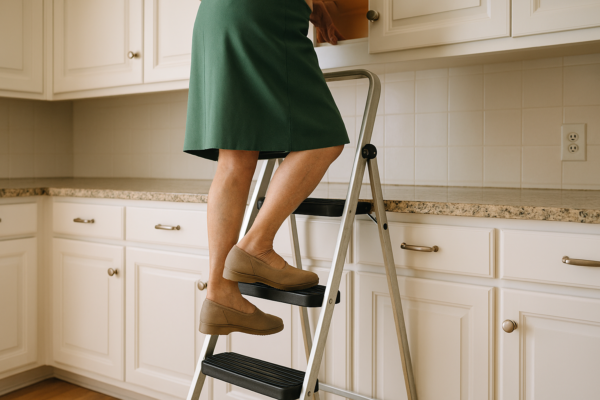
For years, I had warned her: one bad fall can be life-changing. But like many older adults, she felt confident in her independence and didn’t think twice about climbing that ladder.
Before the fall, she was fiercely independent. Today, she relies on a walker and other assistive devices to complete everyday tasks.
Her story is not unique.
Why Fall Prevention Matters for Older Adults
Each year, over 14 million Americans age 65 and older fall, representing about 1 in 4 seniors. Falls are the leading cause of injury in older adults, resulting in:
- Over 3 million emergency room visits annually
- More than 1 million hospitalizations
- A significantly higher risk of falling again—the chance doubles after the first fall
These numbers highlight why fall prevention at home is critical for maintaining independence, safety, and quality of life.
Practical Fall Prevention Tips for Home Safety
While not all falls can be prevented, there are many proven ways to reduce fall risk in seniors:
- Review Medications Regularly
- Some prescriptions and over-the-counter medications can cause dizziness, drowsiness, or blood pressure changes. Regular medication reviews with a doctor or pharmacist are essential.
- Encourage Strength and Balance Exercises
- Activities like walking, chair exercises, and Tai Chi for fall prevention can improve stability, coordination, and confidence.
- Schedule Annual Vision Checks
- Keeping prescriptions up to date helps identify trip hazards more easily and reduces fall risk.
- Improve Home Safety
- Simple home modifications can make a big difference:
- Remove clutter and secure loose rugs
- Keep walkways clear
- Increase lighting and use night-lights
- Simple home modifications can make a big difference:
- Install Safety Features
- Grab bars in bathrooms
- Handrails on both sides of stairs
- Non-slip mats in showers and wet areas
- Wear Proper Footwear
- Choose non-slip, well-fitting shoes instead of slippers, socks alone, or worn-out footwear.
- Use Assistive Devices Correctly
- Walkers, canes, and other mobility aids should be within reach and used as recommended.
- Move Slowly and Mindfully
- Standing up too quickly can cause dizziness, especially for those with low blood pressure.
- Avoid Climbing
- Keep frequently used items within easy reach to eliminate the need for ladders, stools, or chairs.
- Talk About Falls Openly
- If a fall or near-fall happens, discuss it. Early conversations can prevent more serious injuries.
A Final Thought on Preventing Falls at Home
Even with the best fall prevention strategies, accidents can still happen. But in my mother’s case, increased awareness and safety precautions could have reduced her risk.
These conversations matter.
We must continue to talk openly and often with our aging loved ones—not to take away their independence, but to protect it for as long as possible.
Because ultimately, fall prevention isn’t about limiting life—it’s about preserving it.
Need help, but want to stay at home? Check out NaviGuide!
Find a United Church Homes senior living community near you!
by: Kim Yoder, MSW – UCH Engage Program Director
Stay Connected and Live Life Abundantly
At United Church Homes and our Center for Abundant Aging, we believe everyone deserves to live a life filled with purpose, connection, and well‑being. Stay informed, inspired, and engaged with resources that support aging abundantly—physically, emotionally, and spiritually.
About the Author: UCH Team Master

View all articles by: