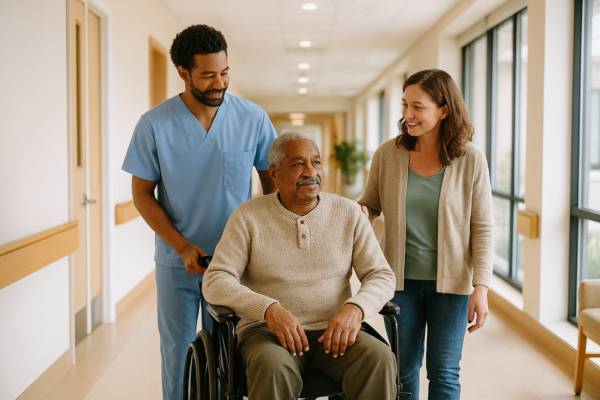
 As we get older, many of us start thinking about downsizing our homes and moving into a smaller, lower-maintenance home, apartment, or retirement community. What is not always expected is the possibility of a short stay in a skilled nursing facility.
No family expects a loved one to need skilled nursing care. No one expects a serious illness or injury that requires a hospital stay. Yet many people do need post-hospital care in a skilled nursing community to recover safely before returning home.
When a physician or social worker tells you that your loved one needs skilled nursing care, the experience can feel overwhelming. You may feel concerned, unsure, emotional, or even guilty. That reaction is completely understandable. Choosing a skilled nursing community is a big decision, and it helps to know what to expect before taking the next step.
What Is Skilled Nursing Care?
Skilled nursing care is a level of care that is different from assisted living. Skilled nursing provides medical support, rehabilitation, medication management and daily care for people who need more help than they can safely receive at home right away.
For many families, a skilled nursing facility becomes the bridge between a hospital stay and a safe return home. For others, it provides the right level of support for ongoing health needs. Either way, the goal is to help each person stay as healthy, comfortable, and safe as possible.
One of the most reassuring things to know is that skilled nursing is not only about medical care—it’s also about helping people regain confidence. This may include rebuilding strength after surgery, learning to move safely again, adjusting to new limitations, managing medications, or settling into a new routine with the support of caring professionals.
What To Ask
When choosing skilled nursing, it helps to ask thoughtful questions:
- What services are available on site?
- How is the care plan developed, followed, and updated?
- How does the interdisciplinary team communicate with residents and families?
- What types of therapies are offered?
- How are residents supported emotionally and socially?
- What does a normal day look like for someone receiving skilled nursing care?
These questions help you understand the experience, not just the services. A facility may look good on paper, but the way staff communicate and interact with residents often says much more.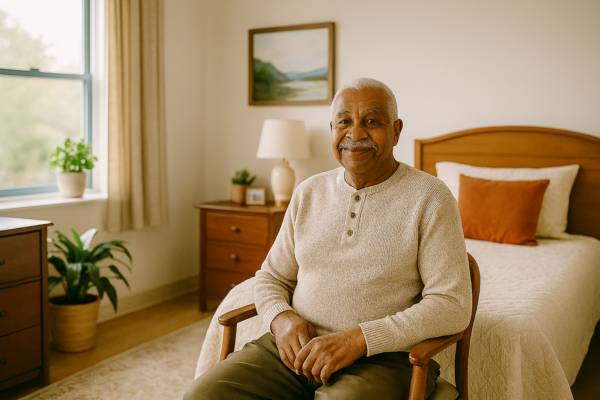
What Families Can Expect
The transition into a skilled nursing community after an acute hospital stay can feel unsettling simply because it is unfamiliar. Here are a few things that can reduce uncertainty.
- The hospital transfers the needed parts of the medical record to the skilled nursing facility, so the treatment plan and medications can continue there. The SNF stay begins with assessments and questions. Having a family member or close friend available can be helpful when staff are gathering medical history, previous level of function, mobility needs, daily habits and personal preferences. This information helps the team build an individualized care plan that reflects the resident, not just the condition being treated.
- The family or responsible party is an important part of the care-planning team. In a good skilled nursing setting, communication matters. You should feel informed about your loved one’s progress, therapy schedule, and any changes in condition. Asking questions is encouraged.
- The first few days can feel like a lot, but routines usually become easier to manage. Meeting the interdisciplinary team, learning the layout of the community, and understanding the daily schedule can help everyone feel more at ease.
How To Support A Loved One
Families play an important role in making the transition smoother. A familiar face, regular visits, and personal items can help make an unfamiliar place feel more comfortable. Small comforts matter.
It also helps to stay engaged without feeling like you must do everything yourself. The interdisciplinary team is there to support your loved one, and they are also there to support you. Sharing personal preferences, routines, or concerns can help staff provide more personalized care.
If your loved one is able, encourage active participation in recovery. Attending therapy, taking medications as prescribed, eating nutritious meals, following the care plan, and speaking up about needs or discomfort can all support better outcomes. Recovery is more manageable when everyone is working toward the same goal.
If possible, encourage your loved one to eat meals in the dining room and join appropriate community activities. These opportunities can support socialization, help restore normal routines, and bring a little enjoyment into the day.
Moving Forward
No family expects to need skilled nursing care, and it is normal to feel uncertain when that time comes. But uncertainty does not mean you are unprepared. When you understand what skilled nursing care is, ask thoughtful questions, and stay connected to the care team, the path becomes clearer and more manageable.
At its best, skilled nursing care provides more than medical support. It offers reassurance, structure, and a team working toward one shared goal: helping your loved one heal, adjust, and feel supported every step of the way.
Find a United Church Homes senior living community near you!
by: Debra Durbin- Senior Executive Director of Clinical Operations
Stay Connected and Live Life Abundantly
At United Church Homes and our Center for Abundant Aging, we believe everyone deserves to live a life filled with purpose, connection, and well‑being. Stay informed, inspired, and engaged with resources that support aging abundantly—physically, emotionally, and spiritually.
About the Author: Guest Blogger

View all articles by: