Pastoral or Spiritual Care is an important component for United Church Homes as we work toward our vision of creating a culture of community, wholeness and peace. In our healthcare communities, we have trained chaplains on staff to not only tend to the spiritual well-being of residents, but to staff and extended families. These chaplains have earned Master of Divinity degrees through three-year graduate programs, are ordained clergy, maintain their denomination’s continuing education standards and have completed multiple units of Clinical Pastoral Education. In short, they are highly trained spiritual care professionals called to serve individuals of all faith backgrounds–meeting people where they are and offering compassionate, person-centered support.
Unfortunately, too many people assume that chaplains working with older adults are there to help residents prepare for their death. And yes, chaplains are available to accompany those who are transitioning toward end of life, but even more important, they are present to meet residents where they are on their spiritual journey. This includes being attentive to what gives the resident meaning and purpose at this point in their lives. How are they experiencing their connectedness to God or their higher power? How are their relationships and connections with others? How is it with their souls, their inner lives, as they reflect on the past, look to the future and experience the current realities as they live in bodies that are aging?
Chaplains and Medical Care
There are numerous clinical assessments that need to be documented for multiple compliance agencies in skilled care settings. One of these is a Mood Assessment. This is a short set of questions for newly admitted residents to monitor their feelings to better understand their overall well-being.
If you were to look over UCH’s data prior to mid-2025, it would appear that everyone who moved into our communities was just fine and dandy. It was recorded that just about every new resident basically indicated they were “fine”. Senior leadership knew, however, that this is not so. There are all kinds of very natural and conflicting feelings in a period of adjustment when residents move into a new home.
So, they asked the chaplains to administer this assessment, instead of clinical staff. Suddenly it was observed that new residents were grieving their former homes; they were struggling with establishing new relationships with staff and new neighbors. The chaplains training provided a different lens through which they could really listen to what was going on in the new resident’s life. Because of the change in who collected the information, through one-on-one conversations with the chaplains, the communities are now better able to meet the real needs of new residents because we have a better understanding of what they are feeling.
It’s Not Just About the Residents
Recently in a workshop at a large conference, which was talking about end-of-life care, one participant talked about their frustration and concern when one of their clients dies. Their employer tells them to close the file and move to the next person who needs their care. This participant was expressing their personal feelings of grief and burnout. The floor was opened up and the rest of us were invited to share how our organizations support staff in those moments of loss.
I immediately thought of the many stories of how UCH chaplains provide space for residents and staff to remember the death of those they have come to know and love. Sometimes that is meeting with the staff at the beginning of their next shift and inviting anyone to share a story about the resident and remember how their life had contributed to the community. Sometimes the chaplain is asked to provide a bedside liturgy at the time of death including family and staff. Sometimes they preside at the funeral or memorial service. These are important rituals honoring the life of the one who died.
At one of our communities, three residents passed away on one day and by the end of the month, there were a total of 12 deaths—many of them long term residents, and several of the deaths were sudden and not expected. Recognizing the extensive grief, the chaplain organized a Grief Fair for staff and residents, creating a space to acknowledge and process their own feelings of loss. The event reinforced an important message: grief is a shared human experience, and those feelings deserve care and attention.
Connecting beyond ourselves 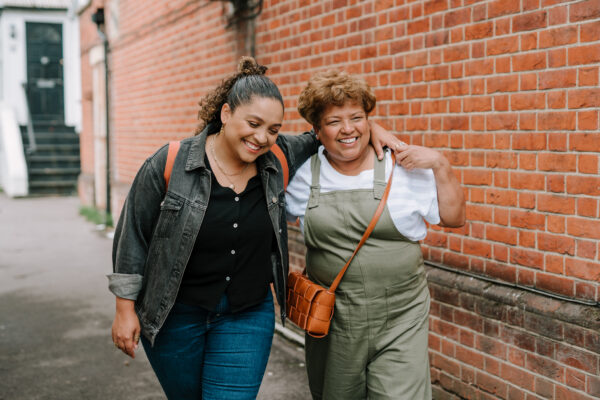
When we talk about spiritual care we also consider how the individual is connected to God or their higher power. When we recognize that we are a part of something larger than ourselves, we are able to consider not only our own inner lives but experience the awe and mystery of the transcendent. Thanks to brain imaging technology today, researchers know that just telling someone else about these experiences has the same effect on our brains as getting a hug from a grandparent or someone we love. Chaplains encourage spiritual growth as they provide opportunities to experience the sacred.
Spiritual care is also attentive to how we connect to others. Chaplains encourage residents to participate in their communities, with families and friends. Our connection to others reminds us that belonging and meaningful relationships are important elements in overall well-being.
The transitions that come in later life are sometimes unrelenting. It can be helpful to have others who support our journey as we process the many forms of grief we experience. It can be a source of comfort to know that there is someone who will listen and hold our confidence as we make sense of our life experiences.
Legacy can be another area where chaplains can be helpful. Legacy is concerned with the questions of what we can do now to make a difference in the world. What gifts have been given to me that I can share with others at this time in my life?
We know that more than 60% of people do not have active engagement with a religious community or belief system when they reach later life. But we also know that 100% of us are spiritual beings. It has been observed that many are more curious about and interested in exploring their spirituality in later life than they ever were before. Tending to our spiritual growth is just one way that we contribute to aging abundantly, and the chaplains who provide spiritual care are important assets as they work to support and promote the health of everyone in their community.
Spiritual care is ultimately about presence—meeting people in the fullness of their humanity, not only in moments of crisis or transition, but throughout the entire aging journey. At United Church Homes, our chaplains help create environments where residents, families and staff are supported as they navigate life—change, loss, meaning, growth. In doing so, they help us live more fully into our mission of community, wholeness and peace. Their work reminds us that aging is not just something to be managed—but something to be honored, supported and deeply understood as part of the sacred fabric of life.
Find a United Church Homes senior living community near you!
by: Rev. Beth Long-Higgins – Vice President of Engagement & Director of the Center for Abundant Aging
Stay Connected and Live Life Abundantly
At United Church Homes and our Center for Abundant Aging, we believe everyone deserves to live a life filled with purpose, connection, and well‑being. Stay informed, inspired, and engaged with resources that support aging abundantly—physically, emotionally, and spiritually.
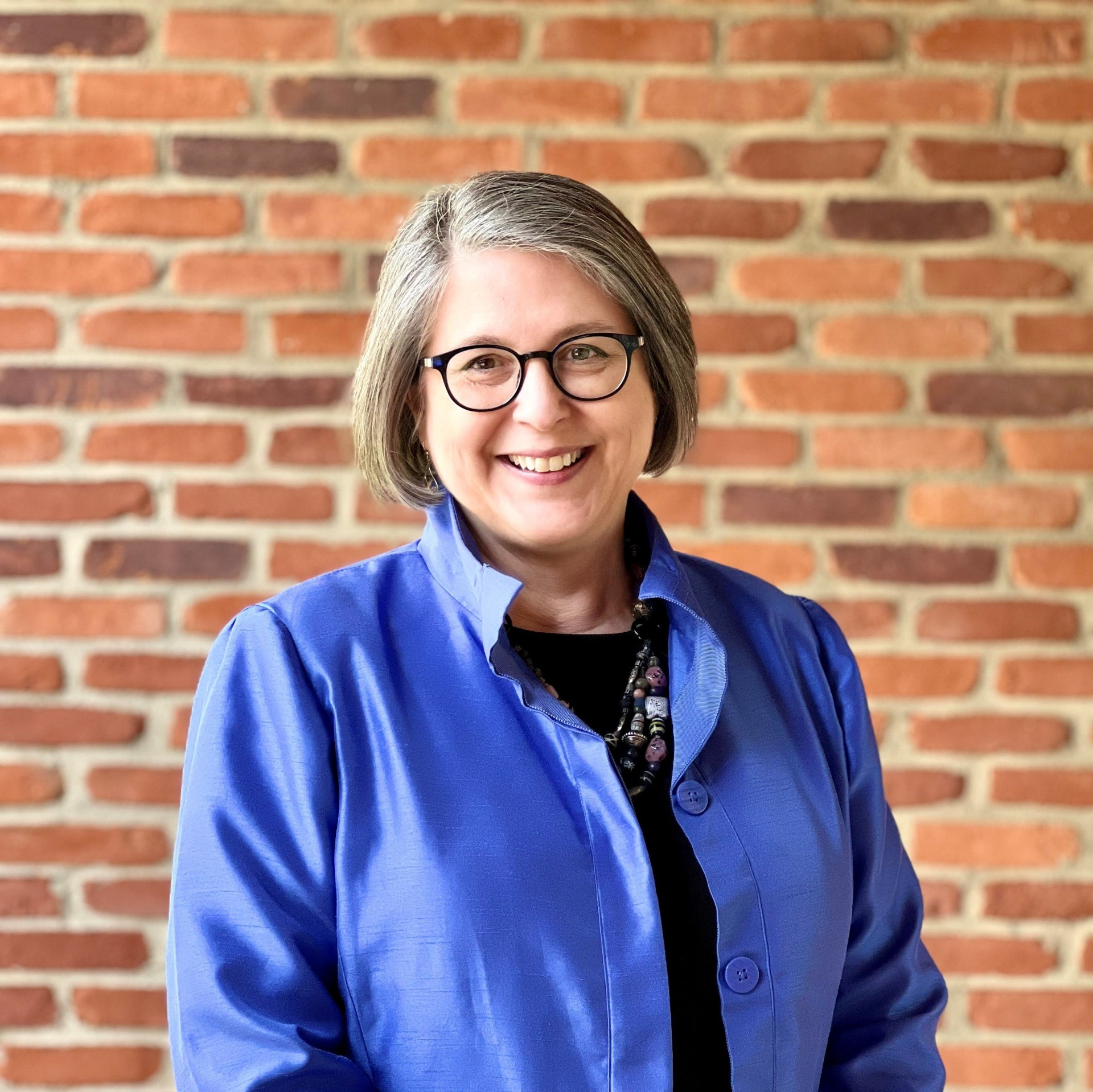
About the Author: Rev. Beth Long-Higgins, VP of Engagement and director of the Center for Abundant Aging
View all articles by: